
Combating Cervical Cancer: Where Do We Stand?
Accessible screening tests and inclusive management strategies may limit the global cervical cancer incidence rate
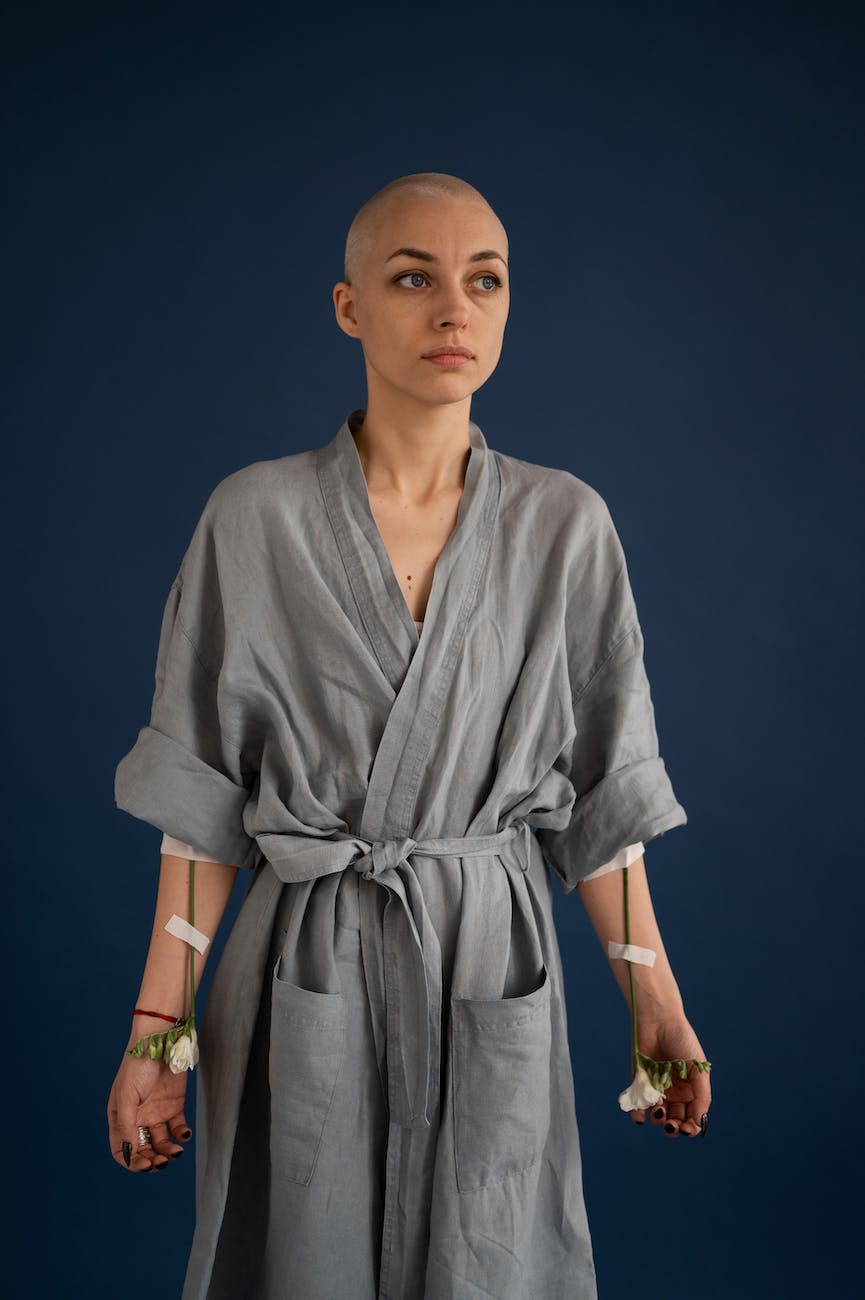
Cervical cancer is both preventable and curable (if diagnosed early and treated appropriately)—so why are people still dying of this disease at a rate of one every minute and a half?
The answer likely lies in a lack of awareness, access, and uptake of measures for prevention and early detection. Although regular screening may reduce cervical cancer deaths by 41 to 92 percent, uptake is low; only 10 percent of women aged 30 to 49 in low- and middle-income countries participate in screening, whereas even in high-income countries, the average is 42 percent. The WHO’s global strategy to reduce cervical cancer, which calls for implementation by 2030, aims to see 70 percent of women screened for cervical cancer by age 35 and again by age 45 using a high-performance test.
Furthermore, although persistent human papillomavirus (HPV) infection is implicated in almost all (99.7 percent) of cervical cancers, global HPV vaccine coverage is estimated at only 15 percent of the target population. Existing HPV vaccination programs have reduced the rate of cervical cancers by approximately half, with the WHO’s target of 90 percent vaccination coverage by 2030 predicted to reduce incidence by up to 75 percent.
Recent Advances in HPV Screening and Detection
In 2021, the WHO updated its cervical cancer screening guidelines to encourage the use of HPV DNA and HPV mRNA tests to screen and detect precancerous lesions. Unlike traditional cytology, molecular screening tests involving HPV DNA and mRNA are technically accurate, sophisticated, and error-free/unbiased. Unfortunately, the price tags on such tests can be prohibitive—but newly developed technology may help alleviate the cost burden. Bioengineering professor Rebecca Richards-Kortum, PhD, and her team at Rice University, TX, have developed a novel DNA testing platform that greatly simplifies the HPV DNA screening equipment and procedure, thereby reducing the per-test price.
In the study, the researchers demonstrated an integrated test for HPV types 16 and 18—which cause well over half of all cervical cancers—using a prototype consisting of just two pieces of equipment. They evaluated the test’s performance using synthetic and provider-collected clinical samples in a high-resource setting in the US and self-collected clinical samples in a low-resource setting in Mozambique. In both settings, the integrated test delivered reliable results in 45 minutes at a projected per-test price of less than $5, demonstrating the feasibility of a point-of-care HPV DNA screening test.
Toward Inclusive, Accessible HPV Screening
About 90 percent of global new cervical cancer cases and deaths in 2020 occurred in low- and middle-income countries. Women from resource-limited areas are often under-screened, likely due to barriers in understanding or access, fear of pain or embarrassment, cultural deprioritization of women’s health, or even negative provider attitudes.
The My Body, My Test-3 study was developed to assess the potential of at-home testing to address cervical cancer under-screening. In the Phase 3 trial, 665 under-screened women in North Carolina aged 25 to 64 were mailed HPV self-collection tests and given appointment-scheduling assistance. The researchers reported that the uptake of cervical cancer screening nearly doubled (72 percent) when women received the kits versus when they received appointment-scheduling assistance alone (37 percent).
“We’re now working with clinical partners to identify women who might be overdue for screening through electronic medical records. We hope to provide the option of either mailing them a self-collection kit to use at home to mail back to us or handing a kit directly to them when they come into clinics for other services with the vision to eventually make self-collection a regular clinical provision,” said study co-author Noel T. Brewer, PhD, Gillings Distinguished Professor in Public Health, UNC Gillings School of Global Public Health, in a recent press release.
The Way Forward
To reduce cervical cancer incidence and mortality, governing bodies and professional organizations emphasize the need to increase preventive measures such as screening and HPV vaccination. The Association for Diagnostics & Laboratory Medicine (ADLM, formerly AACC) states that “medical organizations now recommend screening for cervical cancer with either primary HPV testing, or by co-testing with both HPV testing and traditional cervical cytology.”
As previously reported by G2 Intelligence, the ADLM recently published a guidance document to update laboratorians and other healthcare professionals on the latest advancements in cervical cancer detection and help them select the most effective strategy for their patients. The guidance offers a testing report template for labs’ and clinicians’ perusal, examines the latest evidence supporting screening tests using self-collected samples, and addresses key questions about cervical cancer screening and diagnosis.
“People who are routinely screened very rarely progress to cervical cancer,” Richards-Kortum stated in a press release. “It’s people who have never been screened in their lives, or who get screened on really infrequent intervals, who are really at risk. That’s why it’s so critical to address the disparities that exist and think about new ways to deliver screening, diagnosis, and treatment.”
References:
- https://acsjournals.onlinelibrary.wiley.com/doi/10.3322/caac.21660
- https://www.ejcancer.com/article/S0959-8049(19)30868-8/fulltext
- https://www.who.int/data/gho/data/indicators/indicator-details/GHO/prevalence-of-cervical-cancer-screening-among-women-aged-30-49-years-(-)
- https://www.who.int/publications/i/item/9789240014107
- https://pathsocjournals.onlinelibrary.wiley.com/doi/10.1002/(SICI)1096-9896(199909)189:1%3C12::AID-PATH431%3E3.0.CO;2-F
- https://www.sciencedirect.com/science/article/pii/S0091743520304308?via%3Dihub
- https://www.thelancet.com/journals/lancet/article/PIIS0140-6736(19)30298-3/fulltext
- https://www.thelancet.com/journals/eclinm/article/PIIS2589-5370(22)00036-0/fulltext
- https://www.who.int/publications/i/item/9789240030824
- https://news.rice.edu/news/2023/dna-test-could-broaden-access-cervical-cancer-screening
- https://www.science.org/doi/10.1126/scitranslmed.abn4768
- https://www.nature.com/articles/6600688
- https://www.mdpi.com/1660-4601/13/1/53
- https://bmcwomenshealth.biomedcentral.com/articles/10.1186/s12905-022-02043-y
- https://onlinelibrary.wiley.com/doi/abs/10.1046/j.1466-7657.2003.00195.x
- https://classic.clinicaltrials.gov/ct2/show/NCT02651883
- https://www.thelancet.com/journals/lanpub/article/PIIS2468-2667(23)00076-2/fulltext
- https://sph.unc.edu/sph-news/cervical-cancer-screening-doubles-when-under-screened-women-are-mailed-testing-kits/
- https://www.g2intelligence.com/aacc-offers-new-guidance-for-hpv-and-cervical-cancer-screening/
- https://www.aacc.org/media/press-release-archive/2023/03-mar/aacc-releases-guidance-for-healthcare-professionals-navigating-cervical-cancer-testing-options
For G2 Intelligence
New Blood-Based PTSD Biomarkers Revealed
A simple blood test may help screen, identify, intervene, treat, monitor, and eventually, prevent PTSD

In a new study, researchers at the Walter Reed Army Institute of Research (WRAIR), Silver Spring, MA, and collaborators identified four blood-based biomarkers for post-traumatic stress disorder (PTSD). These biomarkers may help identify, diagnose, and treat individuals with PTSD or those who face a high risk of developing PTSD.
What is PTSD?
PTSD is a heterogeneous and severe psychiatric disorder that affects individuals exposed to trauma (e.g., combat, interpersonal violence, and natural disasters). The wide array of symptoms experienced by individuals reflects the heterogeneity of this condition. The most common symptoms include:
- Flashbacks
- Difficulty sleeping or concentrating
- Negative thoughts
- Memory problems
- Avoidance of triggering situations
Lack of Comprehensive PTSD Indicators
Prior to the advancements in translational research, PTSD was diagnosed based on the intensity of the symptoms and the biological, psychological, and genetic risk factors. Despite extensive research in the past few decades, robust tests that reliably identify PTSD remained unavailable and/or inaccessible. The complexity of PTSD as a condition and the complicated classification system set by The Diagnostic and Statistical Manual of Mental Disorders, Fifth Edition, Text Revision (DSM-5-TR) add to this issue.
However, the revised criteria per the DSM-5 include additional symptoms of PTSD that better inform diagnostic criteria. And the advent of next-generation tools in pathology helped identify PTSD “biomarkers”—molecules in the blood, urine, saliva, and other test samples, which are a measure of physiological changes in biological processes caused by a disease.
In the WRAIR study presented in March at Discover BMB, the annual American Society for Biochemistry and Molecular Biology meeting, the researchers analyzed four biomarkers in the blood samples of participants:
- Glycolytic ratio: a measure of how the body breaks down sugar to produce energy
- Arginine: an amino acid that plays a role in the immune and cardiovascular systems
- Serotonin: a neurotransmitter that helps regulate mood, sleep, and related functions
- Glutamate: a neurotransmitter involved in learning and memory
These biomarkers, alongside a few others, have been previously linked to depression, stress, anxiety, and trauma-related symptoms in individuals.
Study Findings, Impact, and Applicability
The study was carried out on more than 1,000 active-duty service members. Blood samples were collected before a 10-month deployment period, three days after their return, and three to six months after their return.
The researchers divided the participants into groups based on measures of PTSD—those having PTSD (146), subthreshold PTSD (171), or no PTSD—and resilience. Previous studies showed that individuals with low mental resilience were more likely to develop PTSD when deployed, compared to those with high resilience. So, the researchers classified participants’ resilience based on contributing factors including anxiety, sleep quality, alcohol use disorders, combat exposures, traumatic brain injury, and overall physical and mental health.
Upon analysis, researchers found that those in the “having PTSD” and “subthreshold PTSD” categories had significantly higher glycolytic ratios and lower arginine than those with high resilience. Participants with PTSD also had significantly lower serotonin and higher glutamate than those with high resilience. These observations were independent of gender, age, body mass index, smoking habits, and caffeine consumption.
Levels of these four biomarkers in the blood may help clinicians identify individuals at a high risk of PTSD, intervene early, and monitor the progress of treatment. However, researchers expressed the need for further research and thorough validation before these biomarkers get introduced to mainstream clinical settings.
What Does the Future Hold?
Cortisol, steroid hormones (estradiol, testosterone, etc.), metabolic hormones (insulin, ghrelin, endocannabinoids, etc.), immune factors (interleukins, tumor necrosis factor, etc.), and several other diagnostic biomarkers have been studied, highlighting the interactions between various organ systems and PTSD. Genetic and psychophysiological factors have also been extensively investigated.
The complexity and pervasiveness of a condition like PTSD demand a deeper and synergistic analysis of biomarkers and external factors. More in-depth research can only aid better-informed clinical decision-making and, at a larger level, effective policy-making to improve the holistic health of a population.
“Better methods of predicting or screening for PTSD could help to overcome the disorder by identifying individuals at high risk of developing PTSD and providing them with early intervention or prevention strategies,” said Stacy-Ann Miller, MS, a researcher at WRAIR, in a recent press release. “This could potentially reduce the severity of symptoms or prevent the disorder from developing altogether.”
References:
- https://www.asbmb.org/asbmb-today/science/032823/ptsd-markers-in-blood
- https://www.ncbi.nlm.nih.gov/pmc/articles/PMC4520791/
- https://pubmed.ncbi.nlm.nih.gov/26173229/
For G2 Intelligence
7 Ways Chlorophyll and its Supplements may Benefit You
No wonder it’s been trending on Tik Tok and other social media!

Chlorophyll is the green pigment naturally produced by plants and algae that gives them their dark green colour. This includes leafy greens and other vegetables we usually eat.
But what’s all the hype around it and why?
It’s probably because chlorophyll is a potent antioxidant. Research demonstrates that it is also a gentle detoxifier and an energizing tonic when taken in the right amount. Following are a few of its proven benefits:
- Has Antioxidant and Anti-inflammatory Activity
Chlorophyll is a potent antioxidant and helps to neutralize free radicals. It reduces chemical stress on your body and is, therefore, used to manage the side effects of cancer treatments and cancer-causing agents (carcinogens). Chlorophyll also controls inflammation and promotes wound healing, when used as suggested.
- Controls Body Odour
Chlorophyll is an inner deodorant. It helps control excessive sweating and can reduce body odour. Chlorophyll not only heals wounds and ulcers but may also eliminate all kinds of body smells when applied topically or taken orally.
- Has Anti-ageing Effects on Skin
This plant pigment may have potent anti-ageing properties, thanks to its unique ability to aid DNA repair mechanisms. It helps minimize wrinkles, spots and other signs of ageing on the skin.
Chlorophyll supplements may also protect your skin from UV damage and improve its elasticity by naturally boosting the process of collagen production.
- Aids in Synthesis of Blood (Hemoglobin)
Small doses of chlorophyll and its supplements stimulate the process of blood building. They accelerate the regeneration of the iron-rich pigment in our blood, called hemoglobin, especially after an injury, severe loss of blood or internal bleeding (hemorrhage).
Chlorophyll derivatives, therefore, may be good alternatives to manage anemia and iron-deficient blood disorders in adults and children. They may also quickly restore hemoglobin levels in menstruating women with excessive bleeding (menorrhagia).
- Is a Natural Detoxifier
Chlorophyll’s antioxidant and inflammation-lowering effects make it an effective detoxifying agent.
It minimizes chemical and environmental stresses by eliminating the free radicals, pathogens (bacteria, fungi) and other toxins in your body. Green leafy veggies or chlorophyll supplements act as natural blood purifiers and effectively promote overall wellbeing.
- Protects Liver and Promotes Gut Health
As it’s a natural detoxifier and blood purifier, chlorophyll protects your body organs from damage — particularly the gut. Research suggests that chlorophyll replenishes and rebalances the good gut bacteria to mitigate liver and intestinal damage.
This indirectly has a positive effect in controlling diabetes, liver cirrhosis and other chronic diseases.
- May Combat Cancer
Chlorophyll lowers overall inflammation and stress in the body and may also combat cancers of various organs. Clinical studies prove that chlorophyll and its supplements may aid in the treatment of cancers of the liver, lungs, stomach and other vital organs.
However, recent research claims that this may be the case only up to a point. Further investigation is required to establish the anticancer effects of chlorophyll and the extent of its safety.
Such arguments may raise a valid question in our mind — Is it safe to take chlorophyll? Is there a safe way to consume chlorophyll? How much chlorophyll is too much?
Are There any Side Effects to Taking Chlorophyll?
Chlorophyll is completely natural and is known to be non-toxic. Its most commonly available form of supplement, chlorophyllin, is also considered safe. However, there have been a few cases reporting the following side effects:
- Mild diarrhea
- Indigestion
- Green discoloration of urine or feces, when chlorophyll is consumed orally
- Black discoloration of the tongue
- Mild burning, itching on topical application
Chlorophyll is not recommended for pregnant or nursing women since there aren’t enough studies showing it is completely safe.
Overall, as long as you are taking a daily recommended dose you should be fine.
Recommended Dose for Chlorophyll and Supplements
Chlorophyll is safely consumed/assimilated via dark green leafy vegetables like spinach, parsley, green cress and arugula; certain algae like chlorella and spirulina too.
Its supplements are available as sodium copper chlorophyllin (also called chlorophyllin copper complex).
Oregon State UniversityOral doses of 100–300 mg/day of chlorophyllin in three divided doses may be a safe recommendation for adults.
Even if you start drinking your water with chlorophyll, you will still need to eat your veggies. Can’t skip those greens, sorry! So, make sure you are including raw vegetables, kale and spinach, as they naturally contain high amounts of chlorophyll.
Add them to your breakfast smoothie, salad, wraps, soups, side dishes or rice bowls. Take small but consistent steps and get that natural chlorophyll in, every day.
Give it time and you’ll see this green gold subtly transform your physical and mental wellbeing.
We promise!
References
- Chlorophyll and Chlorophyllin Micronutrient Information Center, Linus Pauling Institute, Oregon State University
- AN ASSESSMENT OF CHLOROPHYLL AS A DEODORANT British Medical Journal
- Carotenoids and Chlorophylls as Antioxidants Antioxidants (Basel). 2020 Jun; 9(6): 505.
- The Role of Functional Foods in Cutaneous Anti-aging J Lifestyle Med. 2014 Mar; 4(1): 8–16.
- CHLOROPHYLL AND HAEMOGLOBIN REGENERATION AFTER HEMORRHAGE J Physiol. 1936 May 4; 86(4): 388–395.
- Efficacy of SXN in the Treatment of Iron Deficiency Anemia: A Phase IV Clinical Trial Evid Based Complement Alternat Med. 2019; 2019: 8796234.
- Menorrhagia: A synopsis of management focusing on herbal and nutritional supplements, and chiropractic. J Can Chiropr Assoc. 2007 Dec; 51(4): 235–246.
- A Short Review on the Medicinal Properties of Chlorophyll Juice Asian Journal of Pharmaceutical Technology & Innovation, 02 (09); 2014.
- Chlorophyllin Modulates Gut Microbiota and Inhibits Intestinal Inflammation to Ameliorate Hepatic Fibrosis in Mice Front Physiol. 2018; 9: 1671.
- Chlorophyll treatment combined with photostimulation increases glycolysis and decreases oxidative stress in the liver of type 1 diabetic rats Braz J Med Biol Res. 2020; 53(1): e8389.
- Nano-encapsulated chlorophyllin significantly delays progression of lung cancer both in in vitro and in vivo models through activation of mitochondrial signaling cascades and drug-DNA interaction Environ Toxicol Pharmacol. 2016 Sep;46:147–157.
- Cancer chemoprevention by dietary chlorophylls: A 12,000-animal dose-dose matrix biomarker and tumor study Food Chem Toxicol. 2012 Feb; 50(2): 341–352.
- Chlorophyll can help prevent cancer — but study raises other questions Newsroom, Oregon State University
For Vista Global Media Collective Inc.
RUPI KAUR’S DIASPORIC WORLD OF VISUAL POETRY
For the Storytelling and Narrative course at Humber College

This 28-year-old Canadian poet and artist has three bestsellers to her credit. She says she “has just gotten started.”
“apparently it is ungrateful of me
to mention my period in public
cause the actual biology
of my body is too real… ”
Rupi Kaur passionately recites into the mic. Clad in a beautiful, off-white flowy dress and wearing a dainty golden tiara on her head, she glows like a goddess on stage. Her warm smile and fierce gaze hold the audience in rapt attention.
“it is okay to sell what's
between a woman's legs
more than it is okay to
mention its inner workings…”
Thunderous applause follows and the stage is covered in a golden confetti shower as the trailer rolls to an end. Her first-ever taped show, rupi kaur live, premiers worldwide on the 30th of April 2021. I could not but blink back tears and admire the journey of this young, gutsy and self-aware millennial. From an amateur poet on Tumblr to one of the youngest best-selling authors in the world, Rupi Kaur has #arrived.
All of 28, this ‘Instapoet’ takes great pride in sharing straightforward and accessible poetry with her Instagram family. “rupi kaur live is a love letter to you… thank you for being the greatest readers in the world…,” she writes in her latest post launching the trailer.
Kaur epitomizes courage, ingenuity and resilience. As a woman of colour, she writes on a plethora of issues— from socio-political to (extremely) personal— with flair and sensitivity. Sharing her story on rupikaur.com, Kaur calls her work “an ode to my identity as a diasporic Punjabi Sikh woman.”
At 21, she edited, designed and self-published her first poetry collection, milk and honey. A small, unassuming paperback with a black cover and simple line drawings of bees— milk and honey is like a handy bullet journal. The style is kept minimal, letting the words do both, weave magic and pierce your heart, at once.
“I was inspired to publish my work… I asked a creative writing professor what I needed to do to get published… they said poetry basically never got published,” she says describing her initial days of struggle.
Although writing and performing are her priority, Kaur loves to draw. Her characteristic drawings give shape and breathe life into words to create impactful visual poetry.
One cannot miss the unique use of lowercase and punctuation in her poems. There is no case distinction between letters in her mother tongue’s (Punjabi) script. The only punctuation used is a period. “The letters are treated the same… within the Shahmukhi or Gurmukhi script,” she adds. Kaur is often criticized for breaking the rules of English. But to her, this is a way of preserving and honouring her personal history.
Her second book, the sun and her flowers, has poems that are almost confessional, earnest and brimming with emotion. It sold more than three million copies to become 2018’s 9th bestselling book in Canada. Following the success of the sun and her flowers, Kaur was commissioned by Penguin Classics to write an introduction for a new edition of Khalil Gibran’s The Prophet. Later in 2019, she was named the “Writer of the Decade” by the American magazine, The New Republic.
Kaur’s latest book of poems, home body, was released in November 2020 amidst the pandemic’s first wave. Like her other works, home body talks of love, loss, trauma, healing, femininity, and migration. It debuted number one on bestsellers lists across the world.
“There was a collective grief that I think we were all feeling, and our year was suddenly up in the air. So for the first three weeks, I wasn’t able to write a single word,” Kaur told CBC Radio. She hit a major writer’s block and was fighting a publisher’s deadline when COVID-19 struck.
I’d attended the Insta Live writing workshops Kaur had hosted during the lockdown. These hour-long sessions were enriching because she didn’t teach you technique. Rather, she set you free.
“Let your subconscious do the work for you. Our thoughts are already processing, so don’t worry about editing. Don’t worry about revising. Just let it come out of you…“
– RUPI KAUR
For Kaur, writing is a form of therapy and meditation. Words are her strength and emotion is the ink. She wields them to call out misogynists, supremacists and chauvinists. She sparks a fire in your heart and keeps it burning, using poem after poem. She stands tall as an example to the young readers and poets who are waiting to bloom. She unabashedly shows the world the power of womanhood.
And you sit there, with a piece of your heart bleeding in your hand, feeling emotions you’ve never felt before— a new rush of life you’ve never felt before. With every poem, she manages to convince you that she has “just gotten started.”
World, meet Rupi Kaur.
“i want to apologize to all the women i have called beautiful
before i’ve called them intelligent or brave
you are resilient, or you are extraordinary
not because i don’t think you’re beautiful
but because i need you to know
you are more than that…”
–rupi kaur
References
- rupikaur_. (n.d.). Instagram. Retrieved 2021, April 06. https://www.instagram.com/rupikaur_/?hl=en
- Rupi Kaur is a poet, artist, and performer. (n.d.). Rupi Kaur. Retrieved 2021, April 06. https://rupikaur.com/pages/about-me
- Rupi Kaur. (n.d.). In Wikipedia. https://en.wikipedia.org/w/index.php?title=Rupi_Kaur&oldid=768067159
- Meet Rupi Kaur, Queen of the ‘Instapoets.’ Carlin, Shannon. (n.d.). RollingStone. Retrieved 2021, April 06. https://www.rollingstone.com/culture/culture-features/meet-rupi-kaur-queen-of-the-instapoets-129262/
- When COVID-19 hit, bestselling poet Rupi Kaur had writer’s block — so she started teaching on Instagram. Van Evra, J. 2020, April 29. CBC Radio. https://www.cbc.ca/radio/q/thursday-april-30-2020-rupi-kaur-jeff-barnaby-and-more-1.5549282/when-covid-19-hit-bestselling-poet-rupi-kaur-had-writer-s-block-so-she-started-teaching-on-instagram-1.5549292
 Swathi Kodaikal