
Glycemic index is a marker that helps us choose foods wisely. Whether you have diabetes or not, learning and using this it will help you eat clean and healthy.

I know.. I know. I’m clearly late to this party.
But, here’s the thing-
Since grocery shopping has become my primary (and only) vocation, I began to invest more attention and time in it.
All I did before was pick the cheapest of the lot. I never flipped a packet of product to see what’s ACTUALLY in it! So much for believing in ‘flip sides’ (pun alert). When I started to read the content on the back of the packets, I went back to my life science class all over again.
There is a tonne of information!
A little nutrition table caught my eye. It then got me thinking about how each nutrient is important. This train of thought ended with the interesting concept of ‘Glycemic index’.
Glycemic index sounds like it is yet another computational parameter used in Machine Learning and Prediction. Nope, it’s not (I’m sure you know).
What is Glycemic Index?
Glycemic index is a relative value given to different food products. It tells you how slowly or quickly those foods cause an increase in blood glucose (sugar) levels.
Glucose is given a value of 100. If the test food is assigned a value below 100, that food is may impact your blood sugar less than glucose. If the test food is assigned a value over 100, that food is expected to impact your blood sugar more than glucose. Coming to the main question-
Why Should Glycemic Index Matter?
Because foods low on the glycemic index (GI) scale release glucose steadily into bloodstream. Foods with high glycemic index spike your glucose levels rapidly.
How is Glycemic Index Significant in Daily Life?
When you eat high GI foods, they are rapidly broken down to release glucose into your bloodstream. If your body’s glucose metabolism is out of place, this glucose stays in circulation for a longer time and may accumulate in various tissues/organs. This process triggers tissue damage and if untreated, can lead to organ failure (1), (2).
This ripple effect is evident in those with chronic diabetes.
Research at Harvard shows how meals with a high GI value may worsen diabetes, heart diseases, and obesity. Low GI foods, on the other hand, help maintain good glucose control. They decrease the risk of developing diabetes and heart disease (1).
Foods we commonly eat are divided into three broad categories based on this function-

Here are a few examples along with their GI values
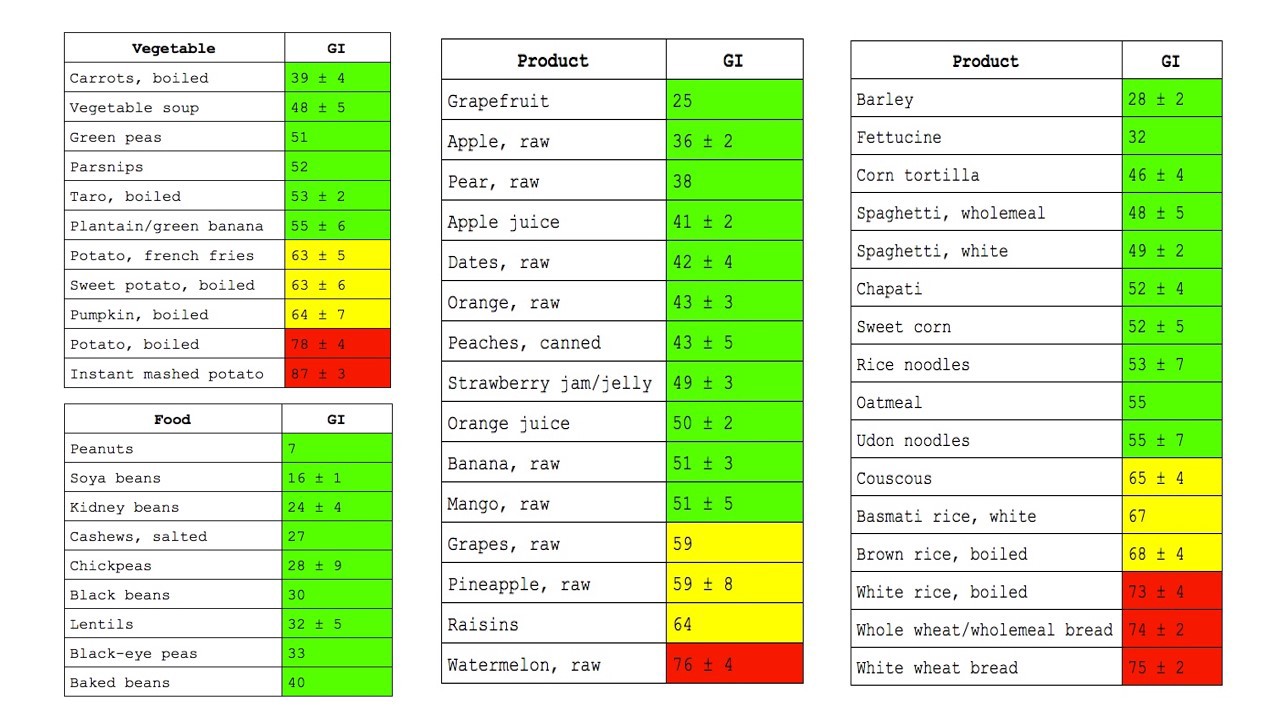
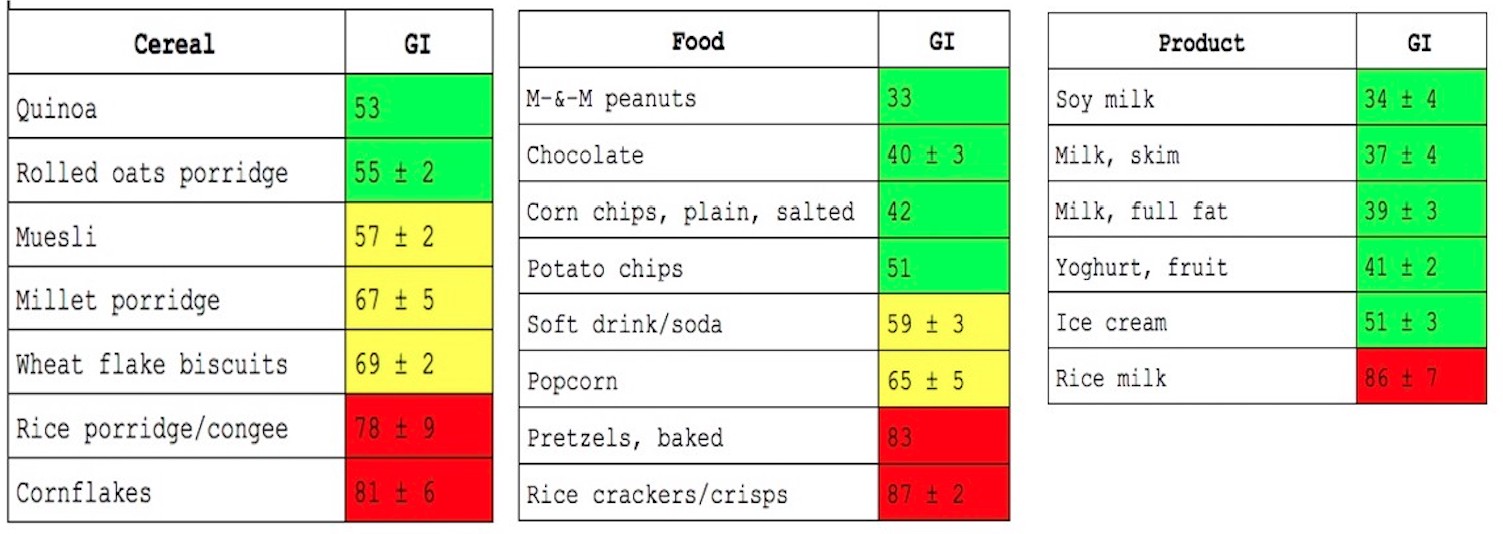
Having said that, GI values may vary depending on the ripeness of the food, the degree of processing, and the cooking method.
Glycemic index is an accurate metric to analyze what goes into your body. It helps you choose healthier alternatives for your daily meals.
Moreover, a lower GI value does not necessarily mean the food is a better option. For example, a chocolate candy bar and 1 cup of brown rice may both have a GI of 55, but the overall nutritional value is very different.
Be mindful of the nutritive value, not just the GI.
If you want to know the GI of various foods, check this URL for the web version. There are GI calculator apps available respective Android and Apple app stores too. I haven’t tried them but let me know if they worked for you.
Hope this read helps you prep delicious and nutritious meals.
Find more info here:
- “Glycemic index for 60+ foods” Harvard Health Publishing, Harvard Medical School
- “The Glycemic Index: Physiological Significance” PubMed, US National Library of Medicine
 Swathi Kodaikal